Learn the context
Explore the stories and cultural context connected with stepping.
Cultural learning through stepping
FEEL THE RHYTHM.KNOW THE HISTORY.LEAD THE FUTURE.
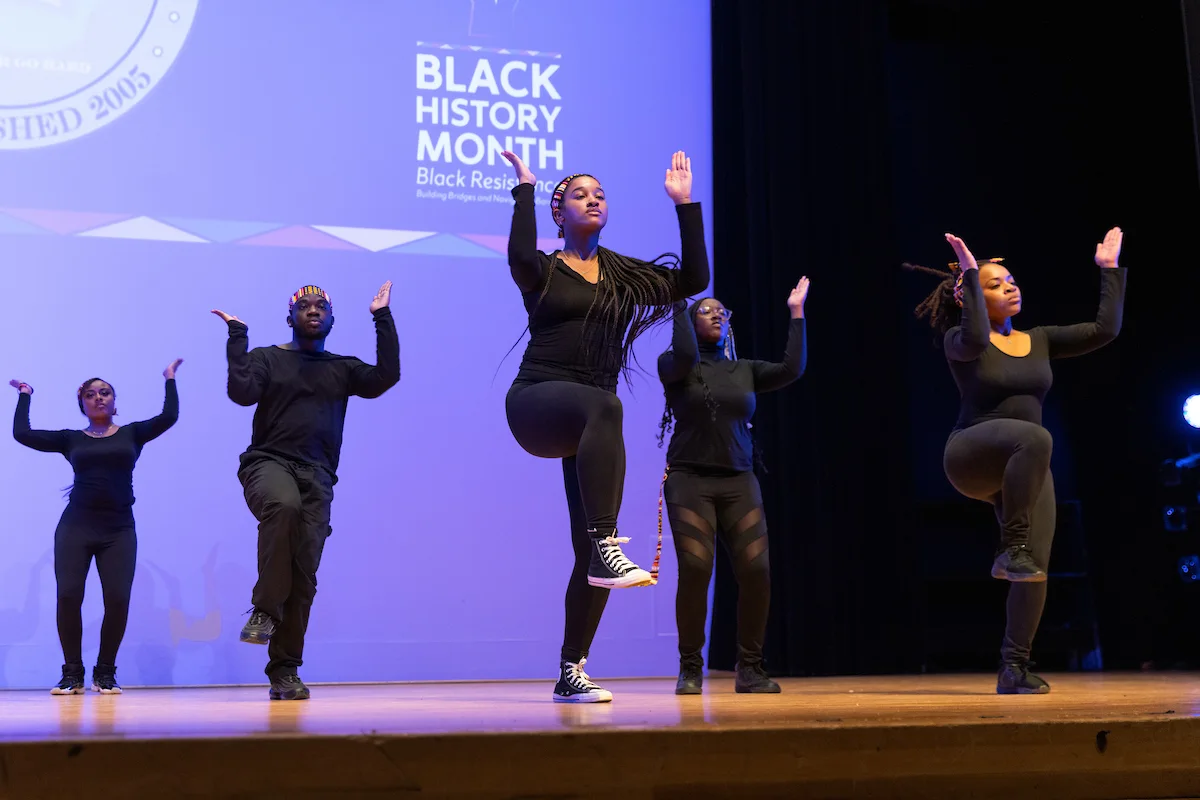
STEP EDITION brings stepping, cultural education, youth leadership, and performance together through movement, rhythm, and creativity.
Beat Lab
Stepping turns the body into an instrument. Tap the four pads, then start an eight-count groove and listen for the pattern: where it lands heavy, where it answers back, where it breaks the line.
Eight-count practice groove
96 BPMGroove stopped.
Original sounds synthesized in your browser for practice, not recordings of people or performances. Nothing plays until you press a pad or start the groove.
About STEP EDITION
Movement can bring culture, creativity, and young people into the same conversation.
STEP EDITION is a cultural education and performing arts program centered on stepping. It connects rhythm and movement with cultural learning, teamwork, reflection, and shared performance.
Students are invited to learn together, make creative choices, and build a performance as a group.
What students explore
Stepping is the starting point for a wider experience in cultural learning, collaboration, self-expression, and performance.
Explore the stories and cultural context connected with stepping.
Practice rhythm, timing, coordination, and group movement.
Listen, share ideas, and make choreography as a team.
Reflect on the process and bring a group performance to life.
The school residency
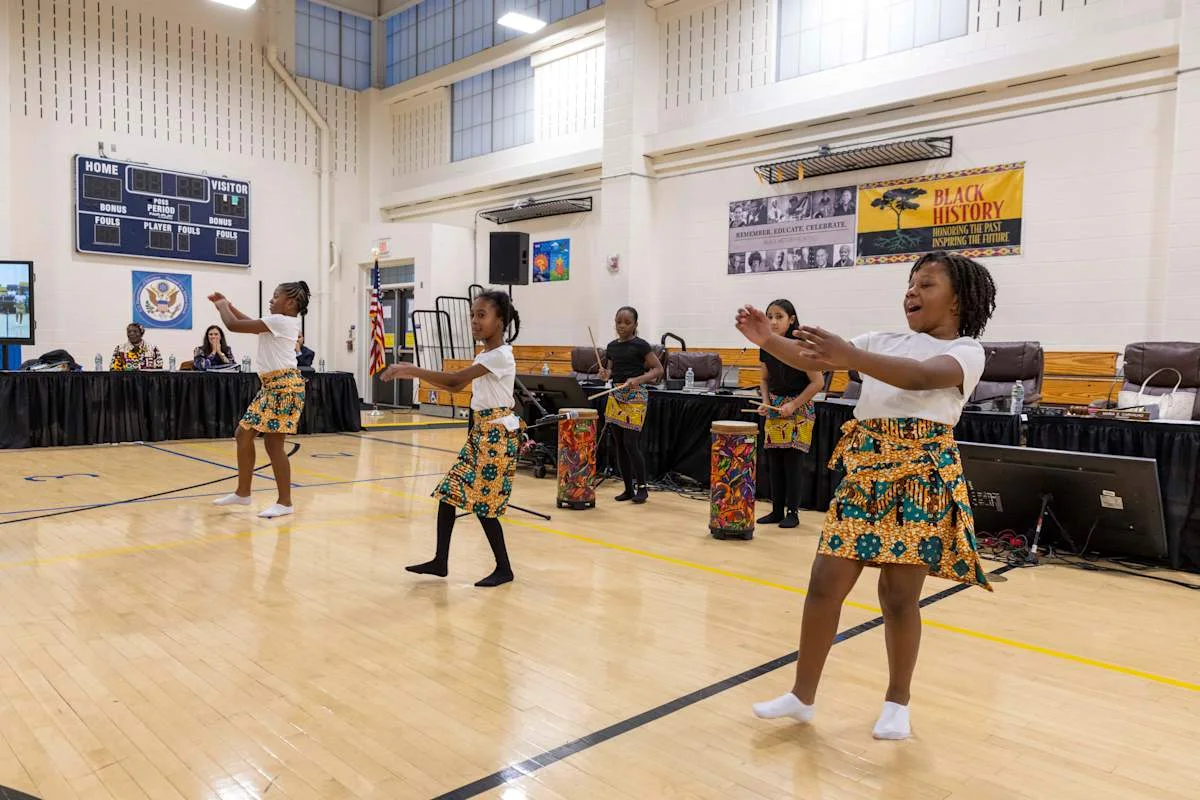
A school and community program exploring Black history through step instruction, cultural learning, collaborative choreography, and a culminating performance.
Begin with rhythm, stories, and shared attention.
Connect movement practice with cultural context and reflection.
Build a group sequence through collaboration and creative choice.
Bring the work together in a performance for the school community.
STEP EDITION in motion
Explore the featured video, performance inspiration, and STEP EDITION campaign artwork.
Featured video
A group performance unfolds through rehearsal and stage scenes, with close views of the stepping and a closing credit card.
Open the video in a new tabThe recap moves between group scenes in a classroom and a performance space. Young performers prepare together, practice a step routine, and perform on stage. The video includes close views of movement, wide views of the stage and audience, and a closing credit card.
Performance inspiration
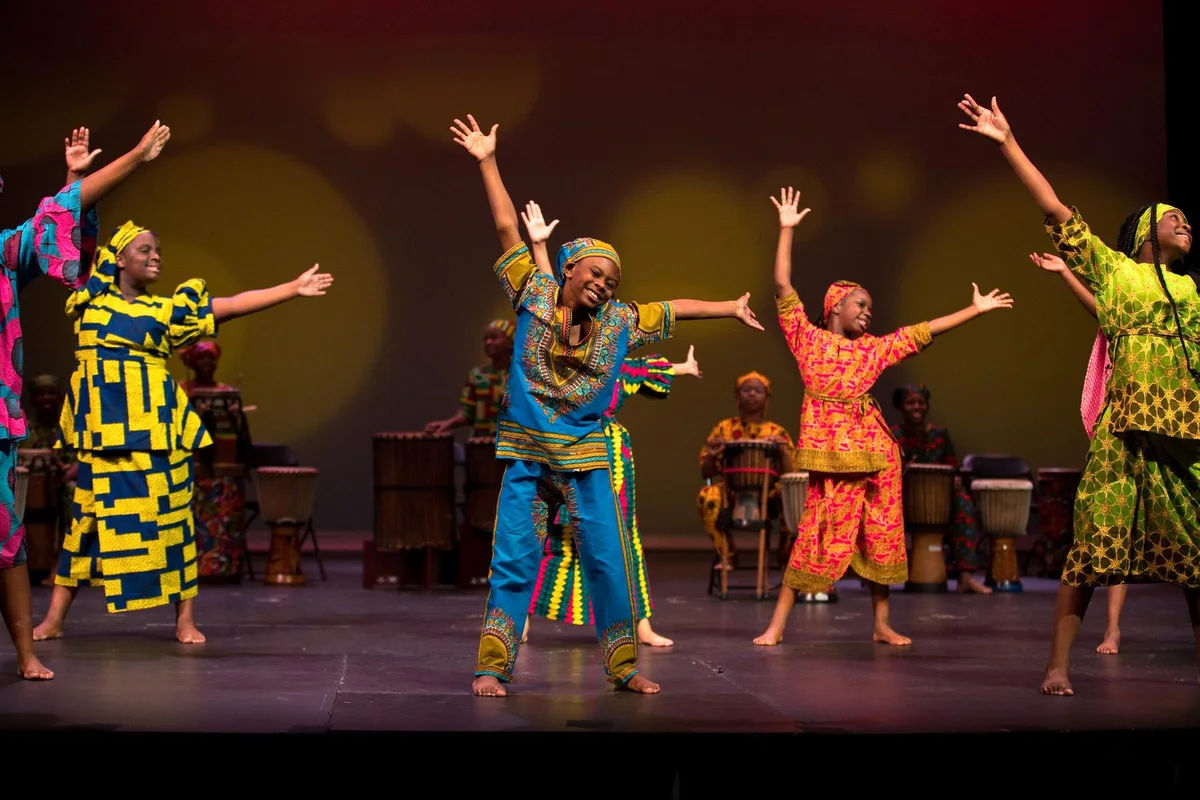
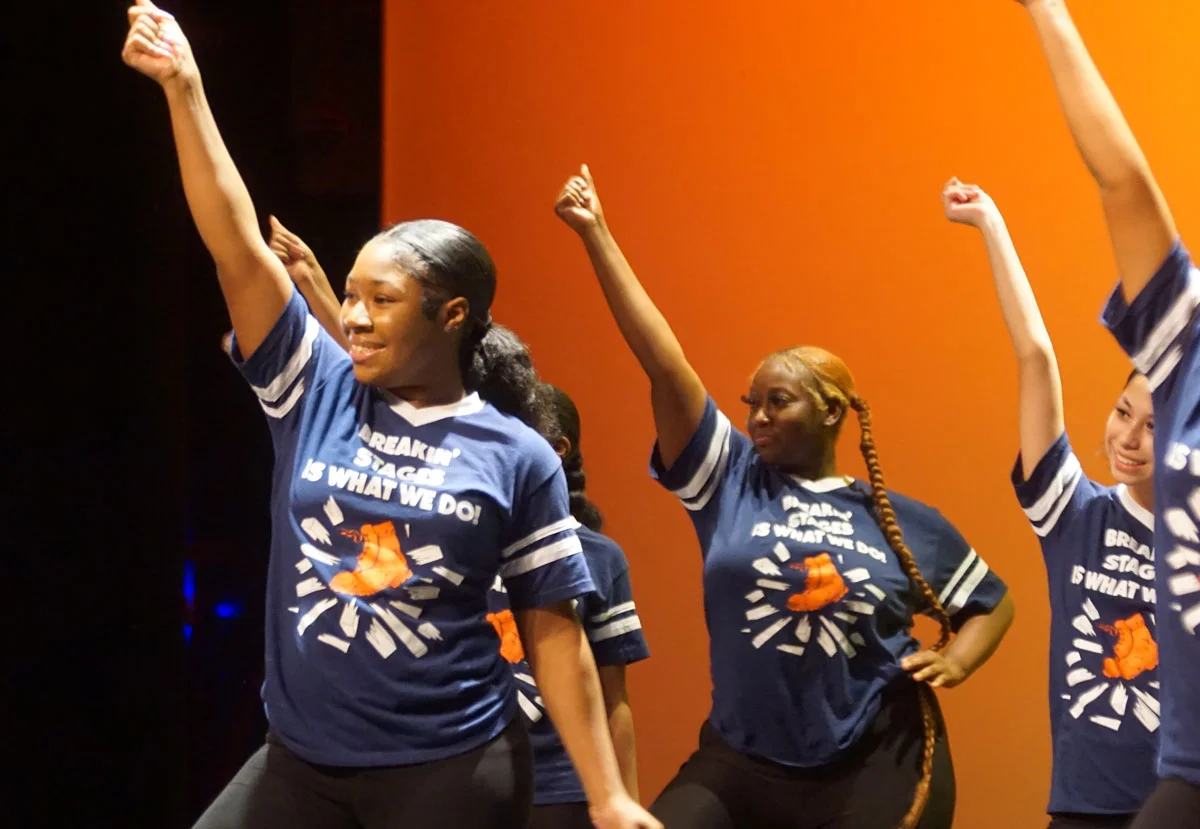
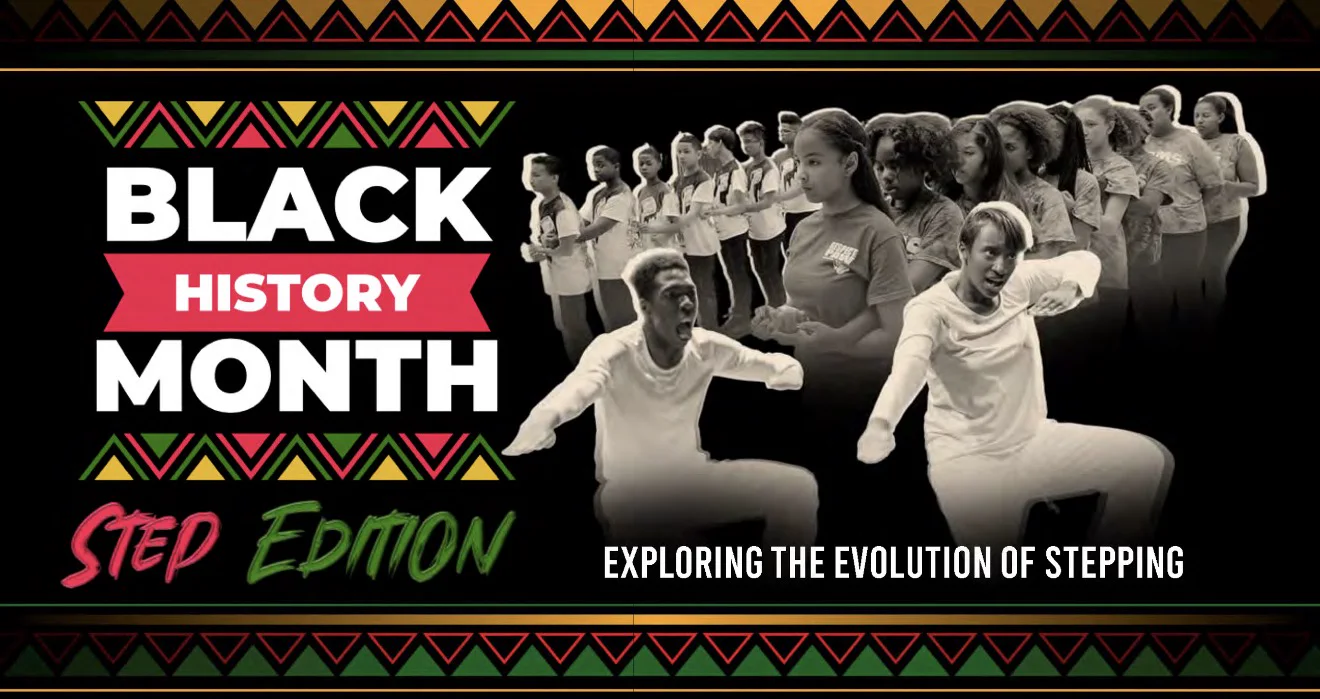
A visual celebration of shared movement, creativity, and performance.
History meets movement
Five ways into the form, each tied to a guide and the public sources it draws on. Pick a move to see where it leads.
What can you hear before you name what you see?
Connect the sounds and movement of stepping with the communities that shaped the form.
Open the guideSources this guide uses
These are inquiry moves, not a timeline. Each one opens a guide and the public sources behind it.
Keep learning
Twelve learning guides for students, families, and educators, each linked to the public sources it draws on. Plus a short directory of performances, pointing you to the organizer's own listing.
For schools and communities
A strong program plan begins with the students who will take part, the learning goals, and the space where the group will move and create.
Explore a shared performance and cultural-learning experience for a larger audience.
Explore learning across multiple sessions, with time to practice, reflect, and create together.
Explore a focused rhythm and movement session for a class, club, or community group.
Explore cultural learning and shared creativity for a community setting.
Choose a starting point for your brief, then shape it around your group’s goals and setting.
School planning brief
A short brief helps any later discussion start in the right place. Build it here, copy it, and keep it with your own notes.
Original practice sounds synthesized in your browser. They are not recordings of people or performances, and nothing plays until you press a pad or start the groove. The groove stops if you change tempo or leave the tab.
The eight-count pattern is always visible, and the active beat is highlighted while the groove plays. Each sound pad is also a keyboard-operable button. In a classroom, note movement adaptations, sound preferences, and breaks in your planning brief.
No. It is created on this device, is not stored, and is not a reservation or inquiry. Copy it into your own notes or planning documents.
Explore the learning library for cultural context, history, and school-planning resources. Each guide lists its sources.